
Case study & customer story video production for B2B marketing teams.
Director-led production. Europe and the Middle East. Predictable delivery and easy collaboration




GlenStory
GlenStory is a B2B video production studio purpose-built for case study and customer story videos — also known as voice-of-the-customer videos.
We made this our main craft in 2015. Since then, we’ve produced 200+ customer story and case study videos for well-known global B2B companies, filming on-site across Europe and the Middle East — end-to-end or by stage. Each project follows a director-led workflow.
-

10 years
-

200+ stories
-

B2B
-

full-service
Case study videos
are our core craft
A video case study turns your customer’s experience into a clear, persuasive story — showing how they solved a real business challenge with your product or service, and what measurable impact followed.
Built around first-person narration and director-led storytelling, it brings proof to the screen through facts, figures, bullet-point outcomes, cinematic B-roll, and product or screen visuals. Not just a testimonial — a structured customer story with visible proof.
Our strengths
Case Study Focus
Case studies aren’t “one of many formats” for us — they’re the core. That focus built a repeatable process and deep, genre-specific craft.
Director-led production
Every project is led by a director — on set and in post. That ensures strong interviews, clear storytelling choices, and a consistent final result.
10+ years in VOC
10+ years in B2B case studies and customer stories with 200+ projects delivered. Clear structure, smooth approvals, consistent results.
Trusted partnerships
Many clients keep working with us year after year — not only for the final video, but for a process that feels clear, reliable, and easy to repeat.

Regional coverage
We work across Europe and the Middle East
Portfolio Showcase
-
![]()
Microsoft
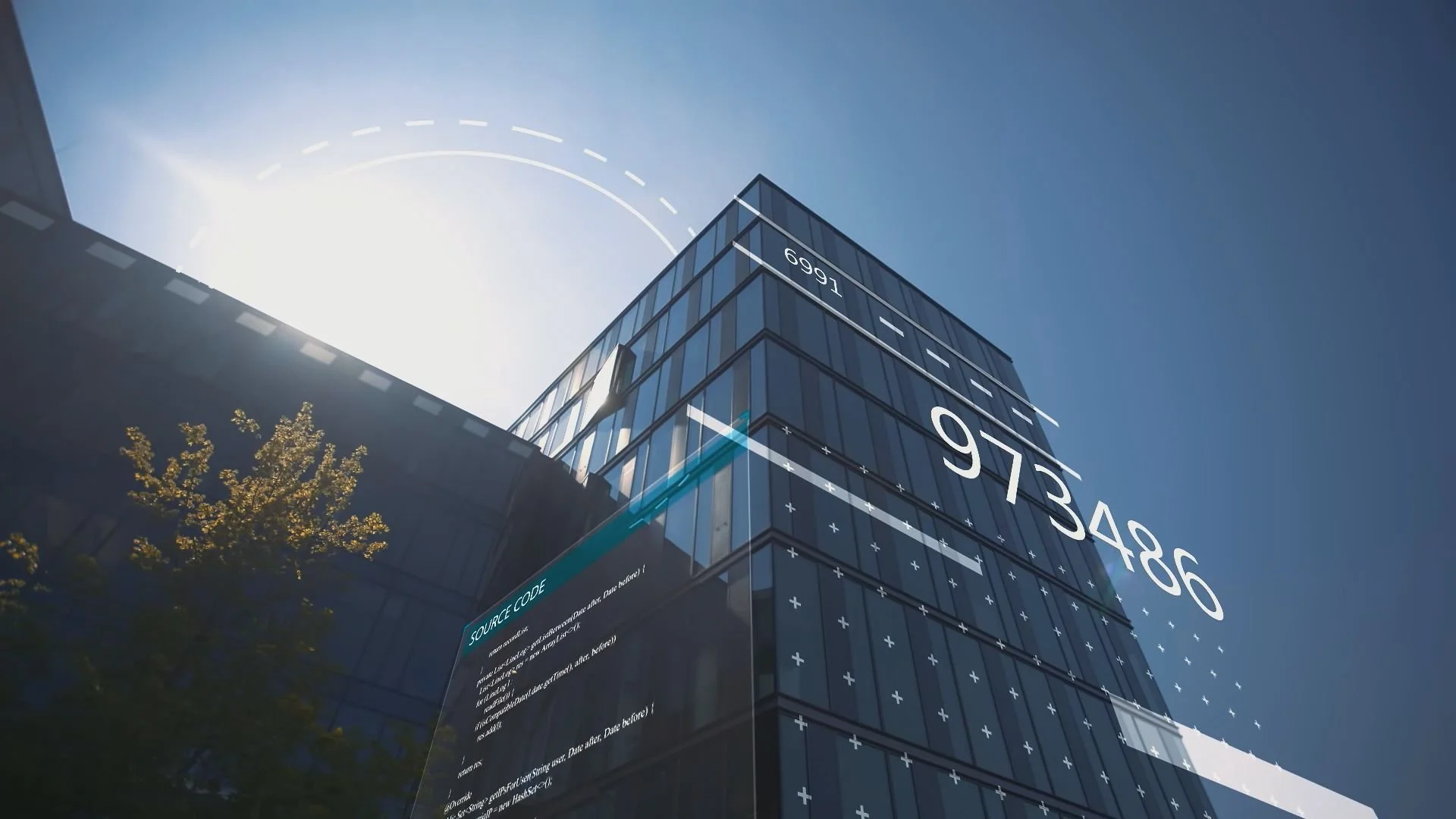
For Microsoft, we produced a customer story about how Rimac strengthened security with Microsoft 365 E5 as the company scaled.
-
![]()
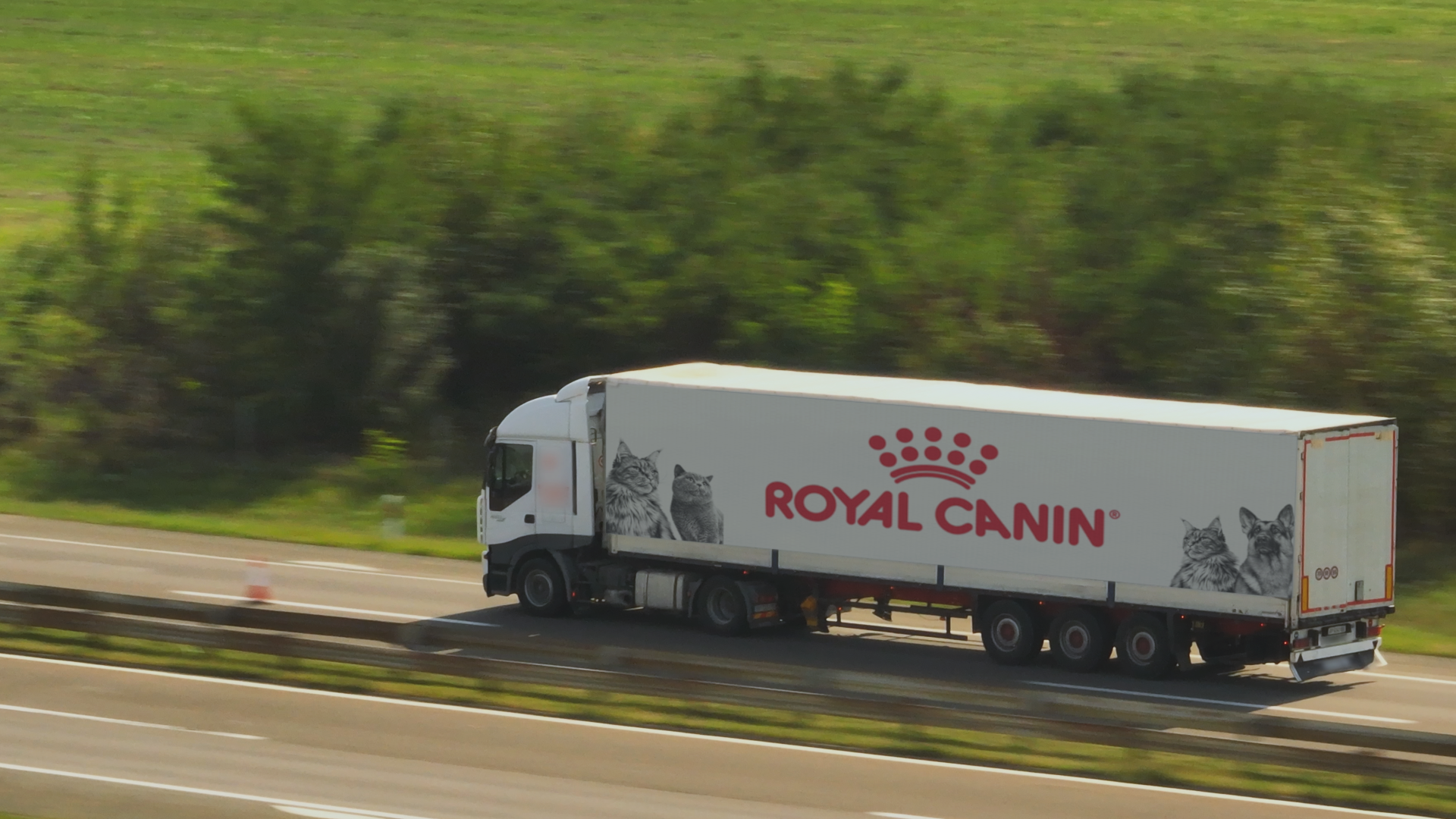
Zebra × WIIO × Royal Canin
Improving Warehouse Safety and Traceability at Factory Scale
-
![]()
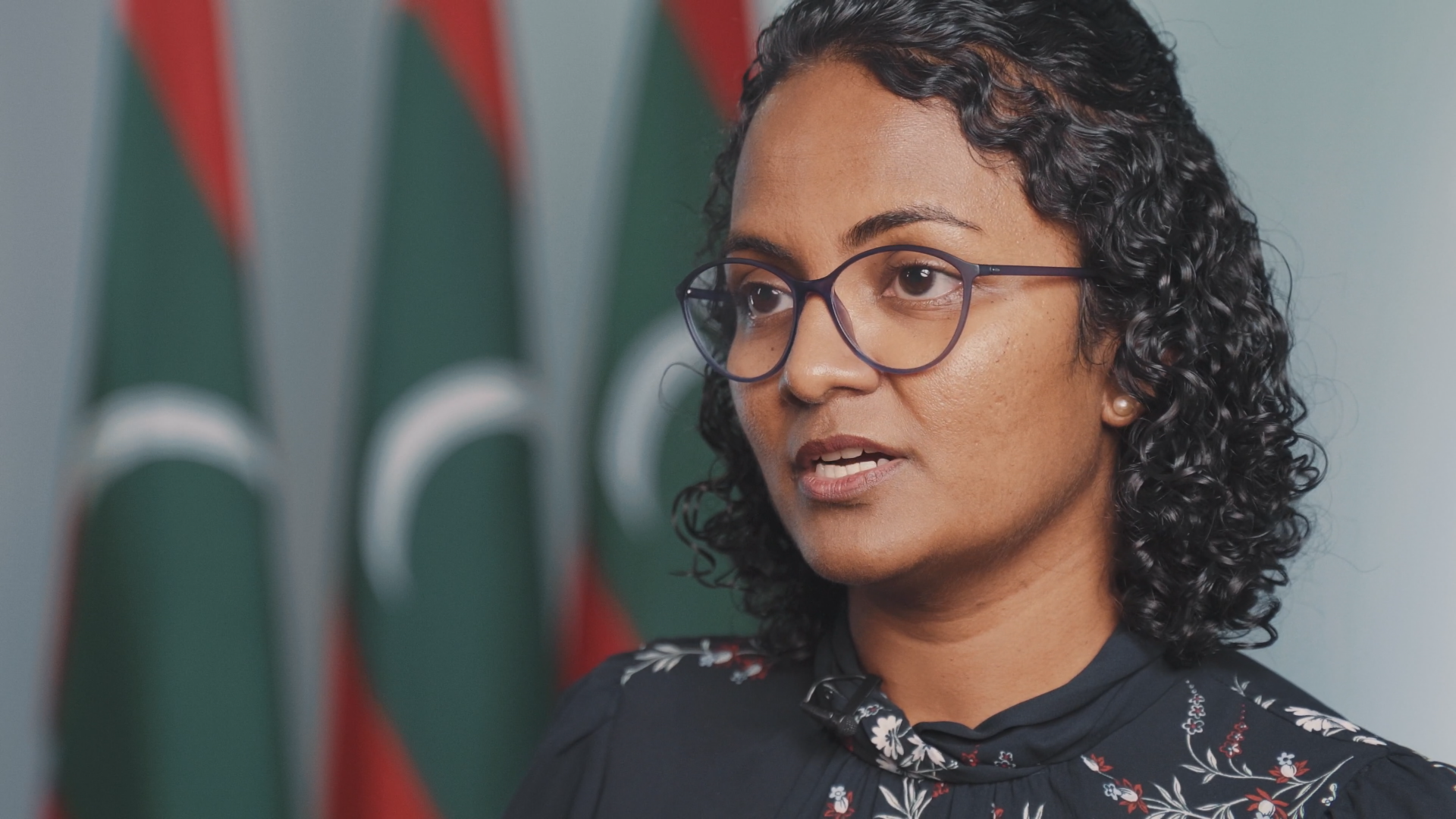
Ministry of Environment
Maldives streamlines governance and boosts sustainability via Microsoft 365
-
![]()
Microsoft × AD Ports Group
AI Agents for Smarter Global Trade and Logistics

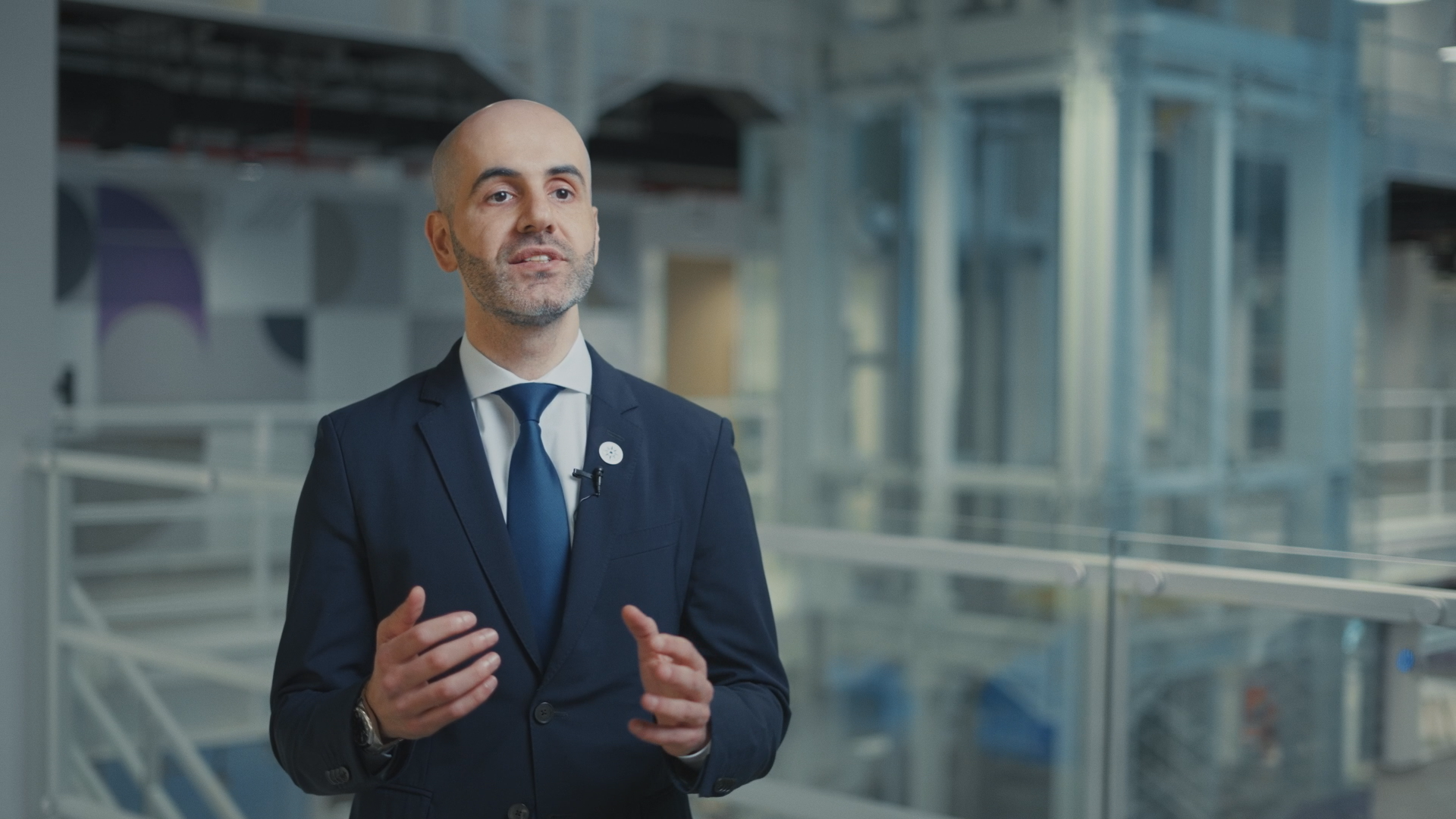
Risk-Free Start
We define the direction and develop the initial concept before the first payment. You only move forward once the approach is clear and feels right. If it doesn’t match your expectations, you can step away with no obligation.
Our solutions
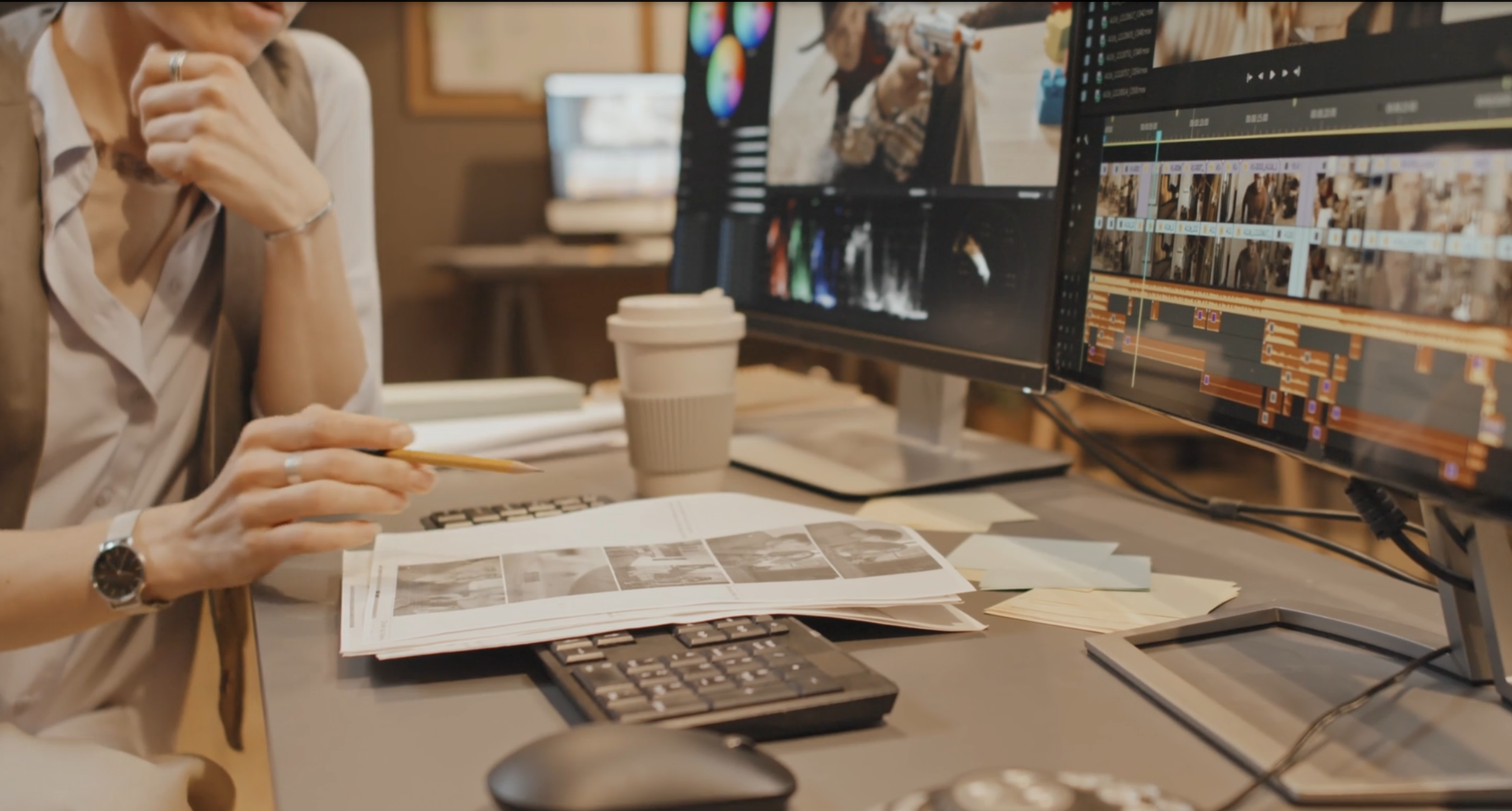
-
We film on location to capture interviews, the customer’s environment, and the way your solution is used in practice. In editing, we can add supporting graphics where needed, helping turn the material into a persuasive customer success story. The result combines the emotional impact of a real interview, the clarity of facts strengthened by on-screen graphics, and a strong narrative shaped through director-led storytelling.
-
We combine remote interviews, existing materials, and selected production support to create customer stories with less coordination on your side. This format works well when teams are busy, locations are spread out, or a full shoot is not practical.
-
We combine three or four customer stories into one video to show a wider range of use cases, industries, or results. This format works well when you want one piece that reflects repeated customer success across different contexts.
Workflow

The process of working on video cases is meticulously thought out and has been refined multiple times.
Dive into our Success Story Blueprint to see how we craft compelling narratives, tailor-fit to your needs.
Get started with a free consultation
Frequently Asked Questions
-
On-site filming is usually our preferred approach, but it is not the only option. If access to an office is restricted, speakers are based in different countries, travel is impractical, or security policies prevent a crew from entering the location, GlenStory can produce the interview remotely.
The recording can take place through a platform approved by your organisation, such as Microsoft Teams. The image quality will not fully match an on-site interview filmed by a professional crew, and we explain this trade-off clearly before the project begins. We can also show relevant examples to help you decide whether remote production is appropriate for your story.
Rather than enlarging the remote interview to fill the entire screen, we can place it within a deliberately designed visual environment—for example, on a laptop screen or within a graphic composition. This makes the format feel intentional rather than like a technical compromise.
To create a complete story, we can combine the interview with approved footage from your customer’s website, YouTube channel or media archive, provided the necessary usage rights have been confirmed. We can also use motion graphics, licensed stock footage and, with your explicit approval and where your policies permit it, AI-generated visuals. The visual approach and all permitted sources are agreed before they are used.
-
For a typical project of standard complexity, the first edit is usually delivered within five working days of the final filming day.
The overall schedule depends on factors such as the number and availability of speakers and locations, the number of filming days, travel and access requirements, the complexity of graphics and localisation, the number of stakeholders involved, the timing of consolidated feedback, and whether the edit depends on additional agreed materials and when those materials are provided.
Each project therefore receives its own schedule with clearly defined production stages and approval milestones.
-
Yes. Express production is available when a genuinely urgent deadline needs to be met, subject to the project scope and team availability.
Depending on the assignment, we may adapt the production model, reserve dedicated post-production capacity or organise filming and editing in parallel. An accelerated schedule also requires prompt decisions and consolidated feedback from the client team.
Before confirming the project, we provide a realistic delivery plan and explain any effect that express production may have on the budget.
-
Once all material details are known, you receive a written scope of work and a corresponding cost estimate. Relevant factors may include the number of speakers and locations, filming days, travel, access requirements, graphics, languages, required deliverables and the rights needed for their use.
If a decision remains open, we identify it transparently as an assumption, option or provisional item rather than presenting an artificially final figure.
Our approach is commercially disciplined. We treat the client’s budget as a responsibility and recommend only the services and production elements that meaningfully support the agreed objective. We do not add services that the project does not need simply to increase its value.
If any details change later, we first explain why an adjustment may be necessary, which options are available and how each option would affect timing and cost. We do not proceed with work that creates additional cost without your prior approval.
-
Within the agreed brief, creative direction and project scope, the number of revision rounds is unlimited. We continue refining the material until you are satisfied with the result and ready to approve it.
Unlike the fixed-round model commonly used in production, GlenStory does not charge for each additional revision round within the agreed scope. This is a deliberate part of our model and reflects our responsibility for bringing the agreed concept to a successful conclusion.
Our experience is that careful preparation, clear creative direction and early alignment with decision-makers keep feedback focused. As a result, unlimited revisions rarely create an unnecessarily prolonged process; they primarily remove the anxiety of counting comments or saving feedback for a final round.
We ask that comments from all relevant stakeholders are consolidated wherever possible. A new creative concept, additional deliverables or a material change of direction would be treated as a change of scope. We explain its effect on timing and budget before carrying out the additional work.
-
We understand that the people appearing in a customer story are often your clients, senior executives or subject-matter experts—not professional presenters. Their experience reflects directly on your company, so we make the process structured, respectful and as predictable as possible.
Before filming, we explain how the process will work, agree on the interview topics and practical details, and make sure the speaker understands how the material is intended to be used. After your initial introduction, GlenStory can communicate directly with the speaker or coordinate everything through your marketing or account team.
During filming, the director guides the conversation and helps the speaker communicate naturally, clearly and confidently. Speakers can pause, repeat or reformulate an answer whenever needed. No previous on-camera experience is required.
We generally believe that a genuine, director-led interview produces the most credible and effective result. When exact wording is required—for example, for legal, regulatory or highly technical reasons—we can use an approved script and teleprompter, or combine prepared statements with a natural interview.
-
Before production, we review the relevant brand guidelines, terminology, tone of voice, visual references and existing campaign materials.
These requirements inform the interview preparation, art direction, graphics, typography, colour treatment, music, captions and editing style. For a series of films, we can establish a shared creative and technical framework so that different stories, speakers and locations still feel like part of one consistent brand system.
Brand, marketing and legal stakeholders can be included at the appropriate approval stages.
-
Yes. GlenStory can create a new film within an established campaign or series rather than introducing an unrelated visual direction.
We review existing films, design elements, available project files, technical specifications and tone of voice. We then identify which elements must remain consistent and where the new story can have its own character.
For an ongoing programme, we can also develop a repeatable framework for interviews, graphics, titles, music, editing and deliverables. This makes future films more consistent and easier to produce across different locations.
-
GlenStory can sign an NDA before confidential information or sensitive project materials are shared.
Where GDPR applies, we agree on the relevant responsibilities and data-handling requirements before production. This may cover speaker details, contact information, recordings, access permissions, data transfers, storage, retention and deletion. Where GlenStory acts as a data processor, a data-processing agreement can be put in place if required.
We also define responsibility for obtaining speaker consent, release forms and the necessary usage rights before filming. Relevant production partners and subcontractors are included in the confidentiality and data-protection requirements where applicable.
Any specific legal, privacy or information-security requirements should be raised during onboarding so that they can be reflected in the workflow, schedule and budget.
-
Yes. A customer story programme may involve speakers in different offices, countries and time zones. GlenStory can coordinate these productions under one central creative direction, production process and approval structure.
Depending on the assignment, production may involve a travelling crew, suitable local production partners, remote recording or a combination of these approaches.
The interview structure, visual standards, technical requirements and post-production are coordinated centrally so that the completed films remain consistent even when they are produced in different locations.
-
Yes. GlenStory can manage the complete production or work as a specialist production partner within a larger marketing or communications programme.
We can collaborate with internal marketing, communications, brand, customer-success, sales and legal teams, as well as lead agencies, media agencies and local production partners.
At the beginning of the project, we agree who is responsible for customer communication, speaker coordination, creative approval, legal review and final sign-off. This keeps the process clear and prevents conflicting instructions or duplicated work.
-
In addition to the main film, a production can provide a teaser or trailer, shorter thematic edits, speaker-specific extracts, social and paid-media clips, subtitled versions for websites or events, edits for sales presentations, and localised versions with translated subtitles or voice-over.
Captioned and accessibility-adapted versions can also be prepared where required.
The precise set of deliverables is defined around the channels in which the content will actually be used. We do not recommend producing additional versions if they provide no practical value.
As your library of customer stories grows, GlenStory can also combine several stories into a new compilation film built around a shared industry, subject or campaign message. This is developed as a coherent new narrative—not simply as a sequence of unrelated excerpts.
-
Usage rights, final deliverables and any transfer of raw footage or editable project files are defined transparently in the proposal before production begins.
The rights for the completed films are agreed according to the intended channels, territories and duration of use. If broader or unrestricted usage is required, this can be included in the project scope.
Raw footage and editable source files can also be included when required. This should be agreed in advance because preparing, transferring and storing these materials may involve additional work.
Music, stock footage, fonts and other third-party assets remain subject to their respective licence terms. We explain any relevant restrictions before those materials are approved for use.
-
Yes. Where required, GlenStory can review and work through purchase orders, supplier registration, Statements of Work, Master Services Agreements, NDAs, data-processing agreements and security or compliance questionnaires.
Procurement, legal, privacy and information-security teams should be involved as early as possible. Corporate onboarding and contract review may affect the project start date even when the production schedule itself is relatively short.
We identify these dependencies at the beginning and incorporate them into the project plan.